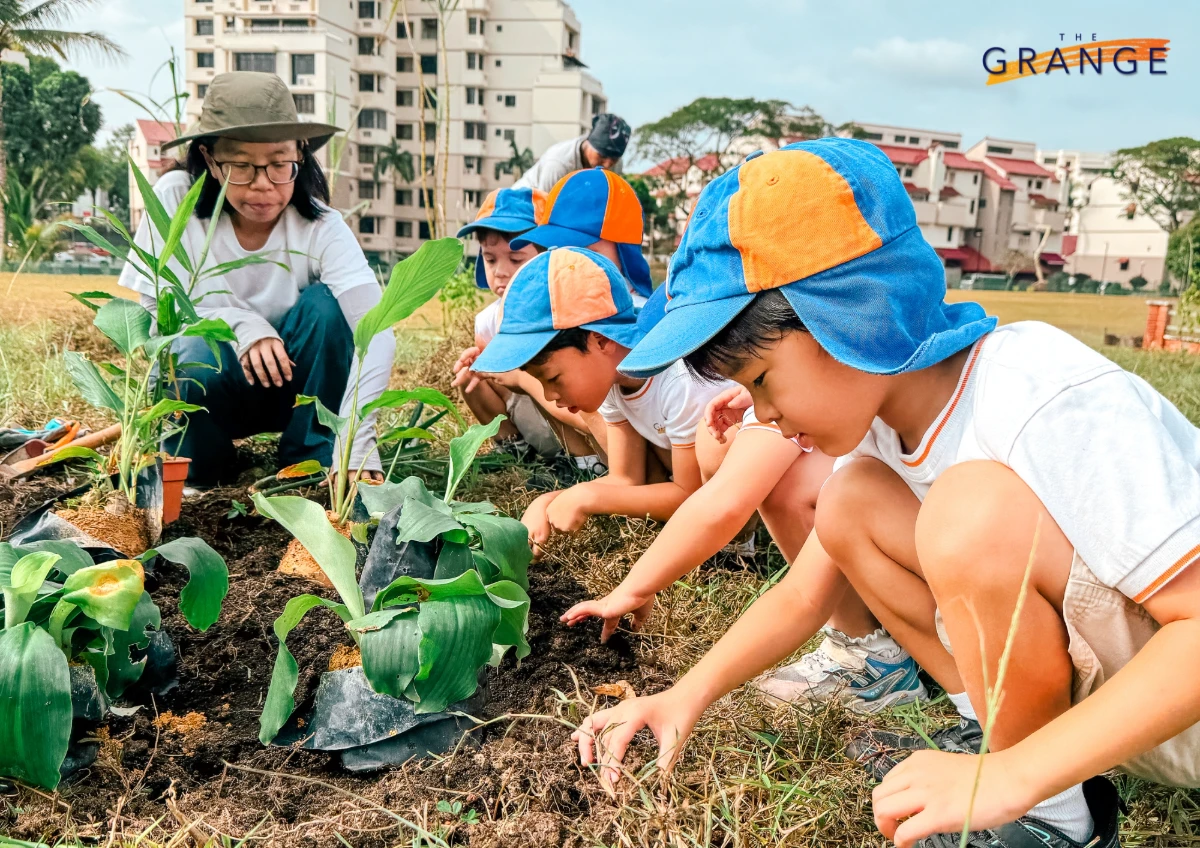
- The Agroforest Farm mimics natural ecosystems with over 30 edible plant species supporting biodiversity and soil health.
- Students engage in hands-on learning, applying academics through designing irrigation, robotics, and sustainable farming techniques.
- The project nurtures resilience and problem-solving by embracing unpredictable outcomes and challenges.
- Annual Agroforest sessions involve all year groups, supported by urban farming partners and sustainable practices like composting and rainwater harvesting.
- Agroforest Farm Day showcases student-led tours and a Farm Market, linking learning to entrepreneurship and real-world impact.
In February 2026, The Grange Institution (TGI) launched our Agroforest Farm project. This project marks the school’s newest Green Granger zone. Spanning almost 10% of the school’s three-acre campus, the Agroforest Farm presents a different concept of farming for our students.
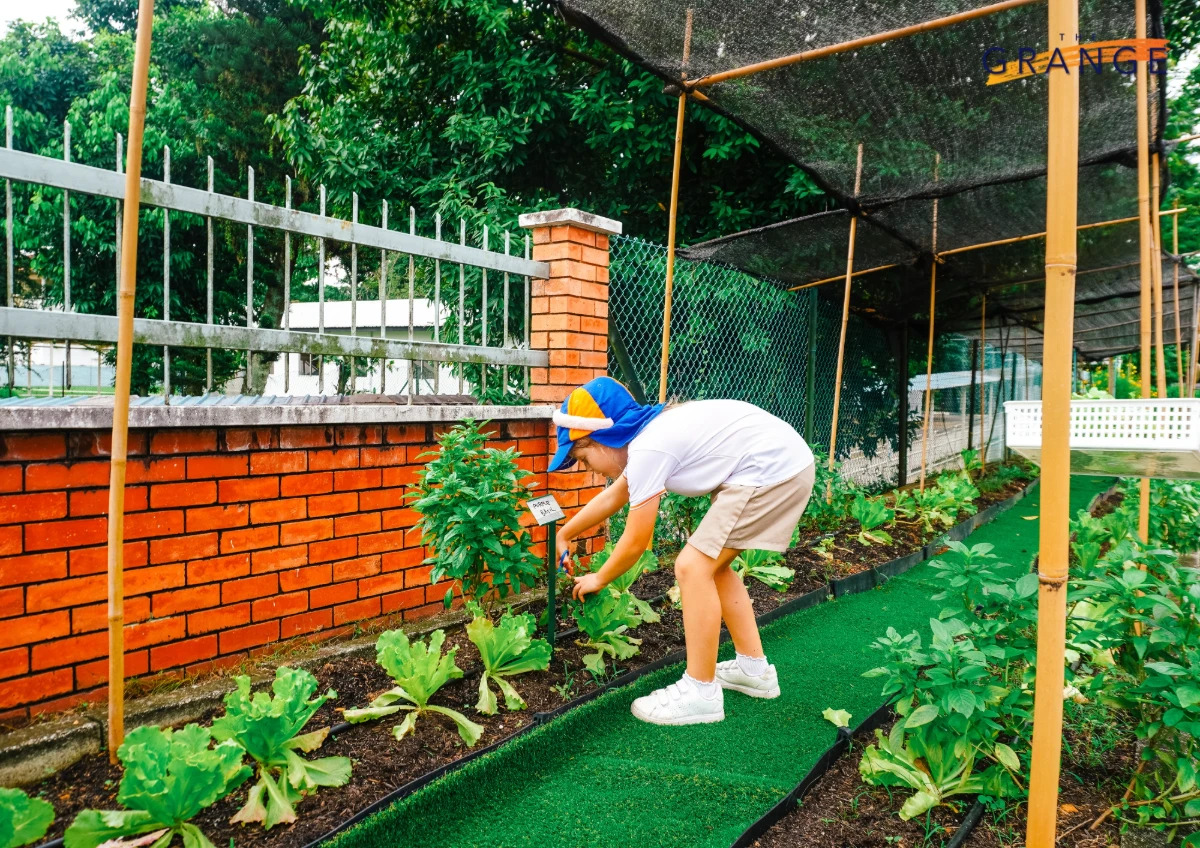
Unlike traditional farms with neat rows, our agroforest plot is designed to mirror a natural ecosystem. With over 30 varieties of mostly edible plants — ranging from tall canopy growers to low-lying ground crops — each species works in harmony to support biodiversity and soil health.
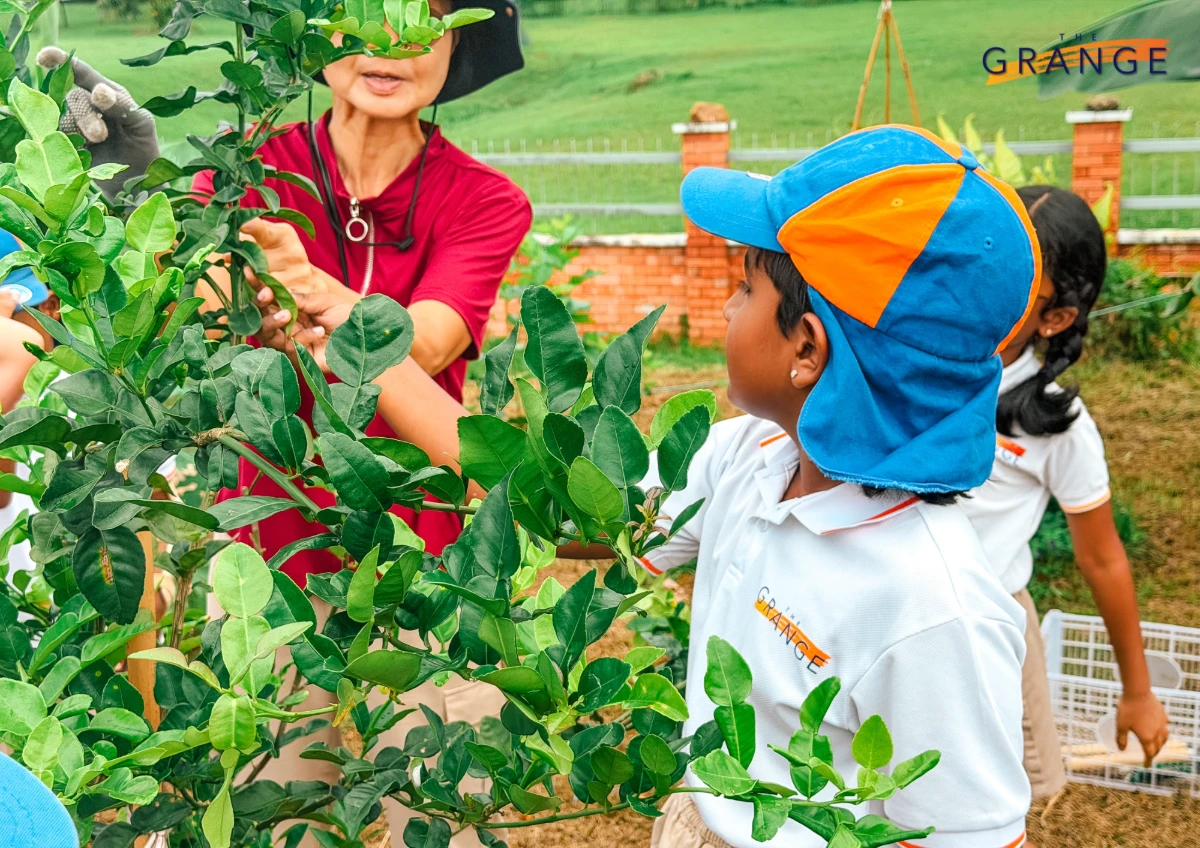
This rich, layered environment is a learning space where students experience sustainability in action. Beyond a typical gardening programme, the agroforest introduces real-world concepts such as water security, food security, and income sustainability, helping children understand how ecosystems function and how people can thrive within them.
At its core, the Agroforest Farm is about nurturing future-ready learners who appreciate the interconnectedness of nature, resources, and community.
A Vision Driven by Passion to Nurture Life-Ready Learners
This project is the brainchild of our Principal, Ms. Soh Bee Ling.
She shared, “When UNESCO spotlighted us during World Engineering Day for our efforts towards the Sustainable Development Goals, it was certainly our honour. The Green Granger Trail was merely a small beginning. There must be more! More authentic, more “real” experiences for our students.”
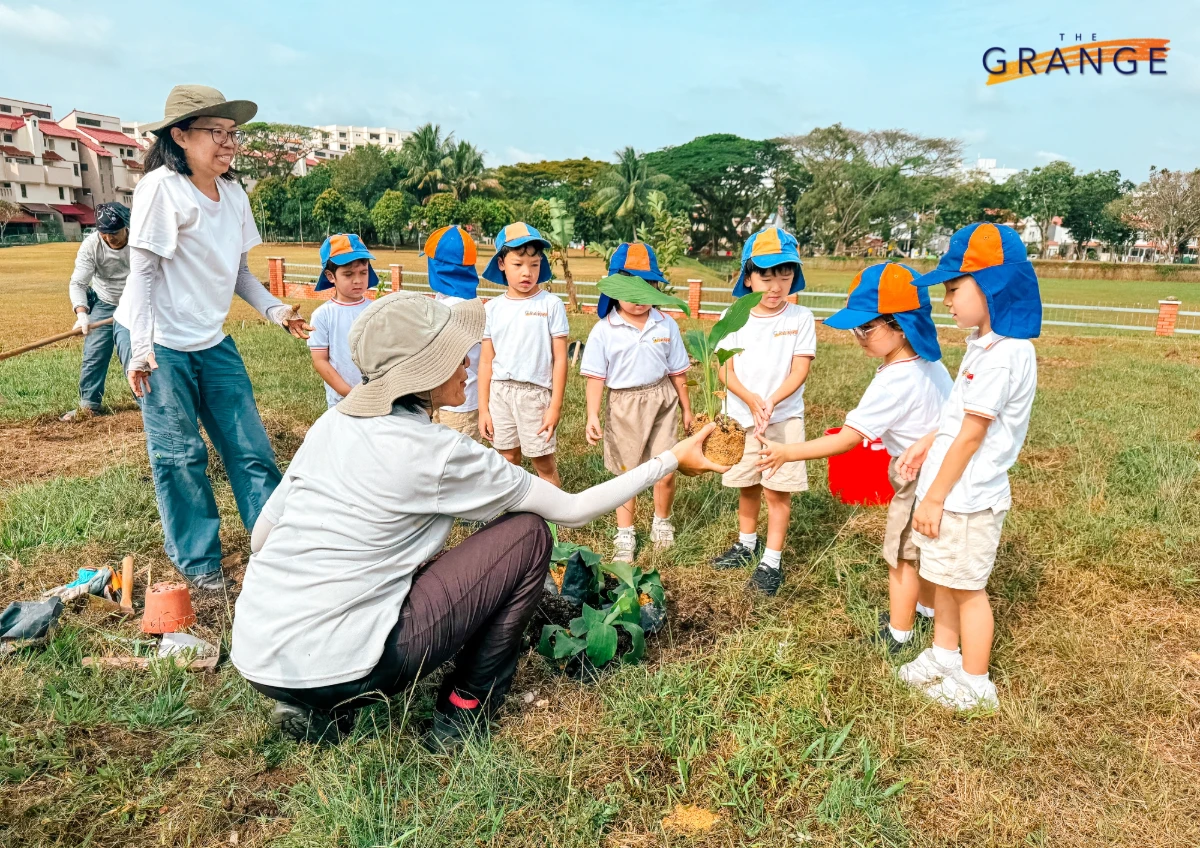
That marked the beginning of our Agroforest Project — a 100-square-metre space designed as nature’s playground, where children engage in authentic, hands-on learning experiences built from the ground up. Learning from the programme goes far beyond a walk in the garden or simply admiring flowers.
Ms. Soh believes children are naturally curious and capable of thinking deeply, asking meaningful questions about their environment, and exploring solutions through hands-on experiences.
Connecting Academics to Action
While setting up the Agroforest, students designed drip irrigation systems, integrated robotics into farming tools, and repurposed everyday materials into fertilisers. They applied academic concepts in real and practical ways.
This is a project where outcomes are not always predictable, and that is intentional. Students face challenges, make mistakes, and learn to navigate setbacks. This building resilience, adaptability, and problem-solving skills.
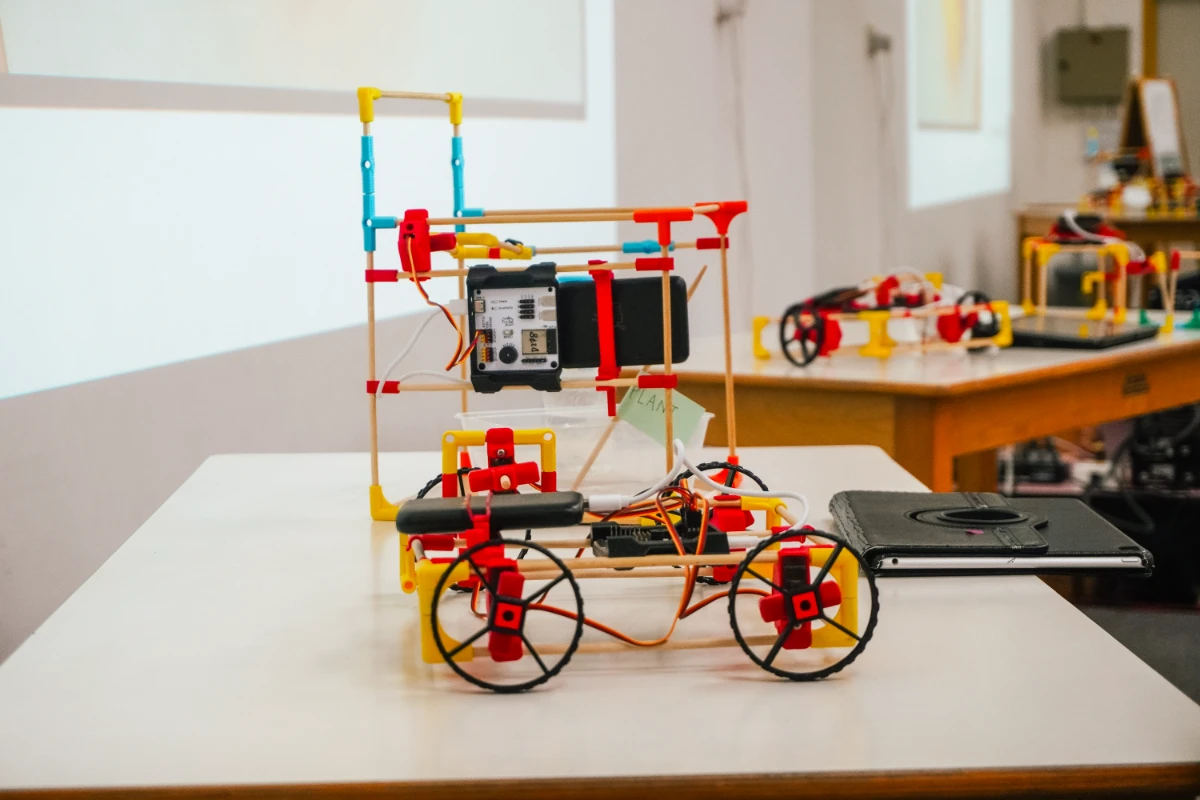
More than “learning on paper,” these experiences shape confident, capable individuals who are ready for life. At The Grange, we do not just educate – we prepare children for life.
From Planting Seeds to Ecosystem Thinking
The Agroforest journey began with preschoolers planting the first seeds. Since then, every year group now contributes in developing a part of the Agroforest through weekly agroforest sessions.
Teachers works closely with an urban farming partner. Together, they guide students through different stages of development.
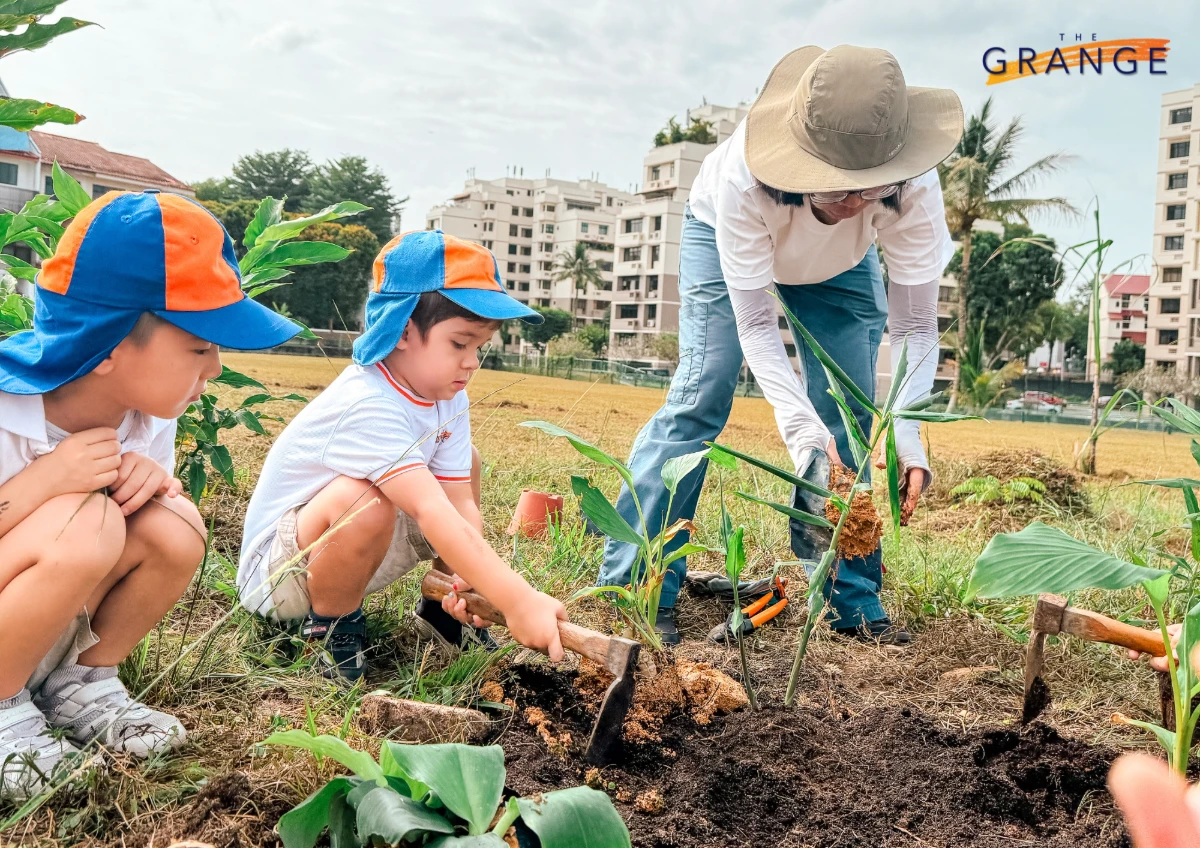
TGI’s Agroforest Farm now includes:
- Drip irrigation bottle watering system
- Rainwater harvesting
- Composting
- Mulching for moisture retention
- Biodiversity of over 30 species of flora and fauna
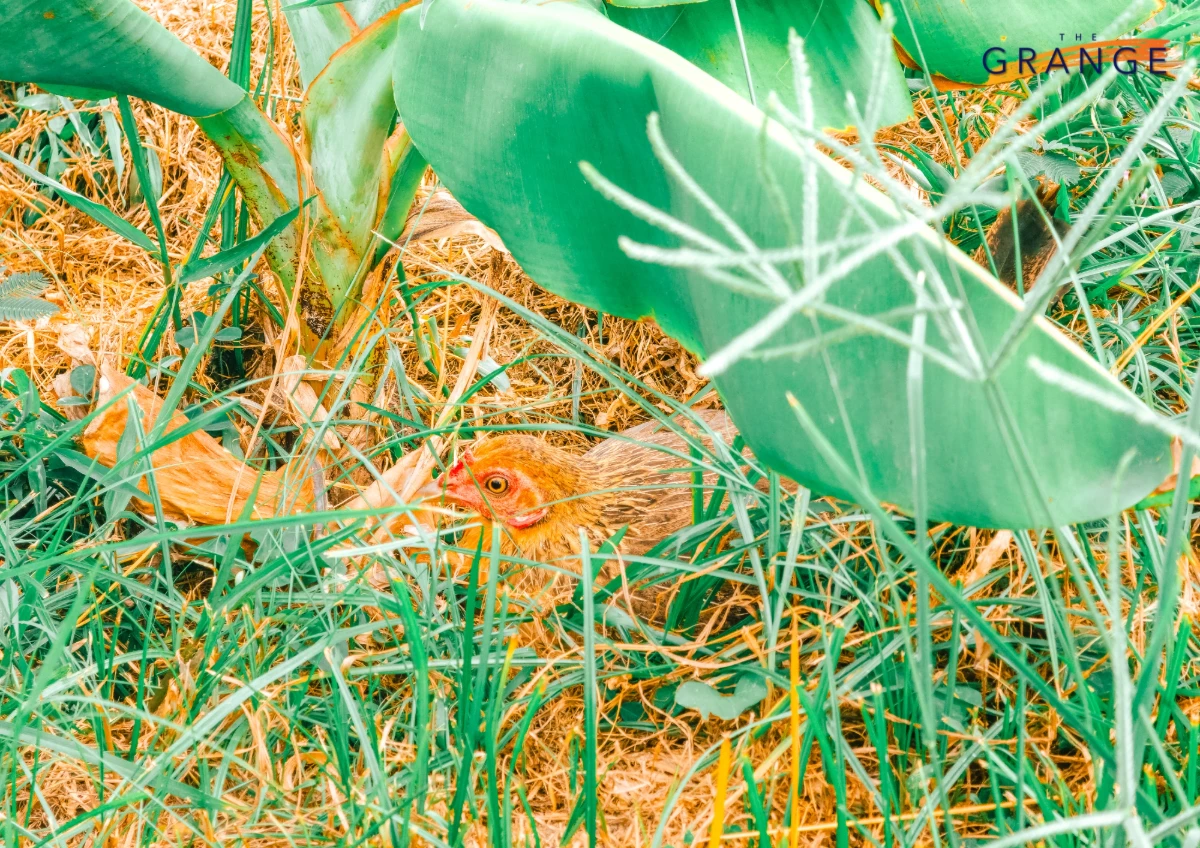
The space has attracted chickens, hornbills, kingfishes and different species of butterflies, further adding to the already biodiverse environment at The Grange.
Over time, the agroforest supports soil regeneration. This process improves long-term land health and ecosystem resilience. It’s the beginning of a sustainable system for the future.
Celebrating Learning and Leading Through Agroforest Farm Day
On the 29th of May, the school celebrated Agroforest Farm Day. This event marked the completion of the project’s first phase.
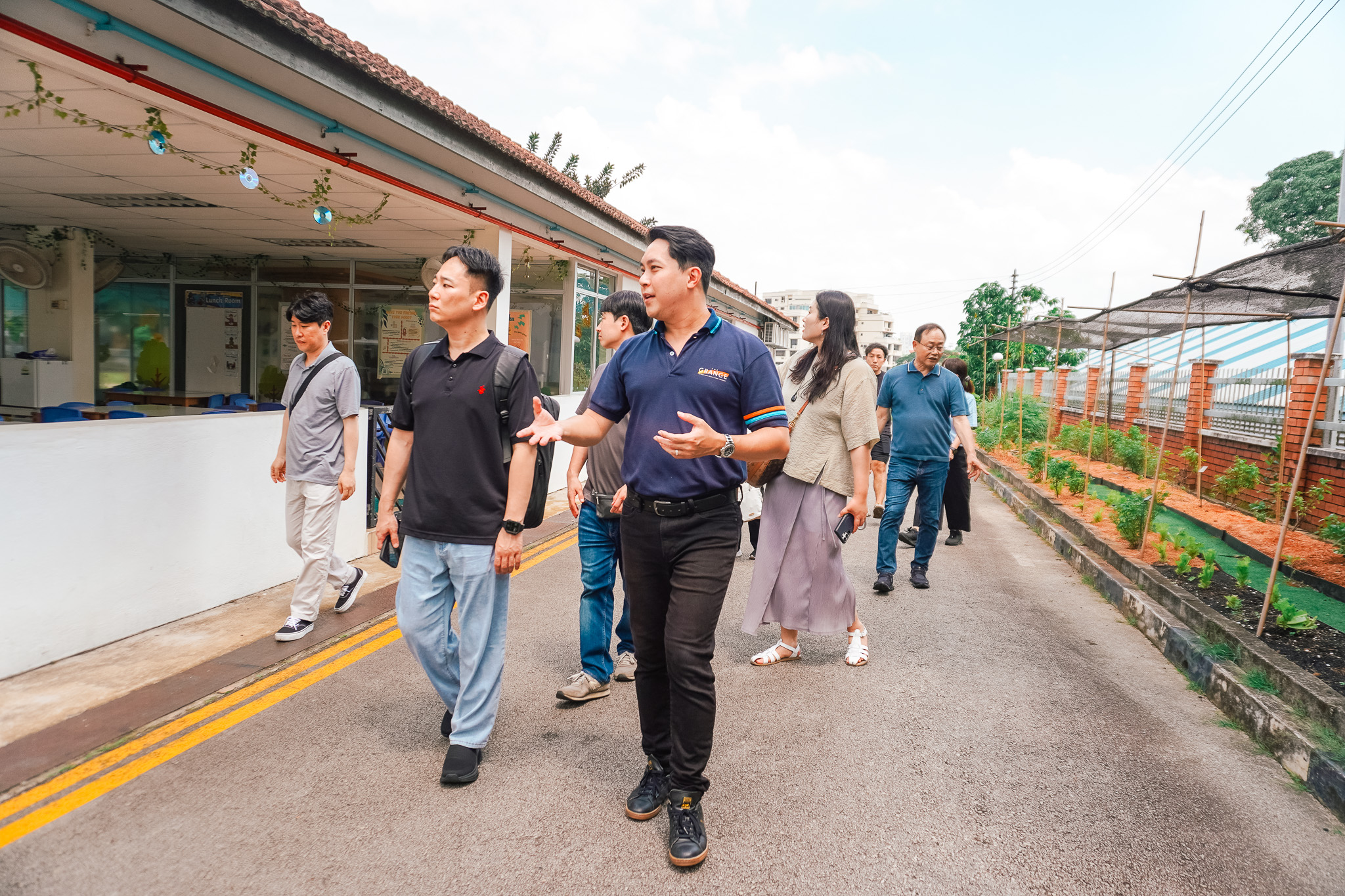
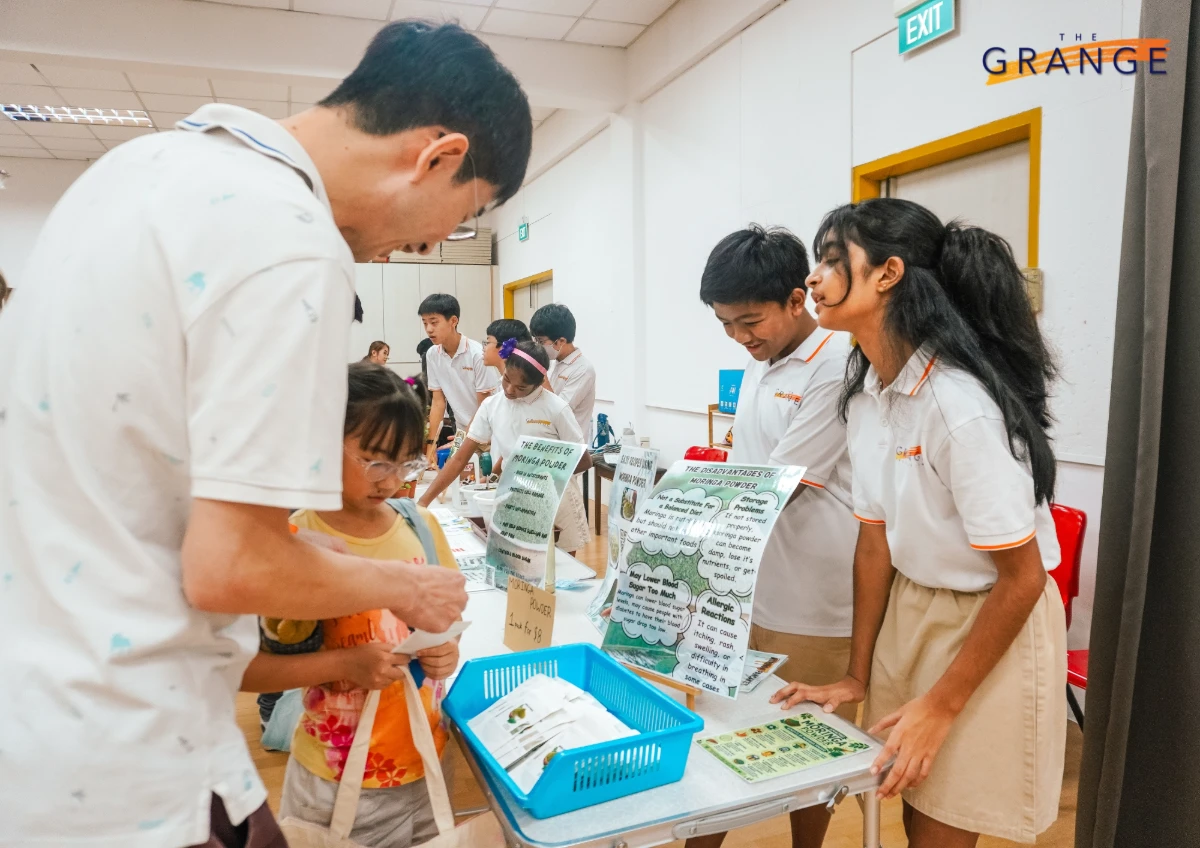
Students led guided tours for families and visitors, confidently shared their learning journeys and discoveries. The event also featured a vibrant Farm Market to explain and model the concept of income security for farmers.
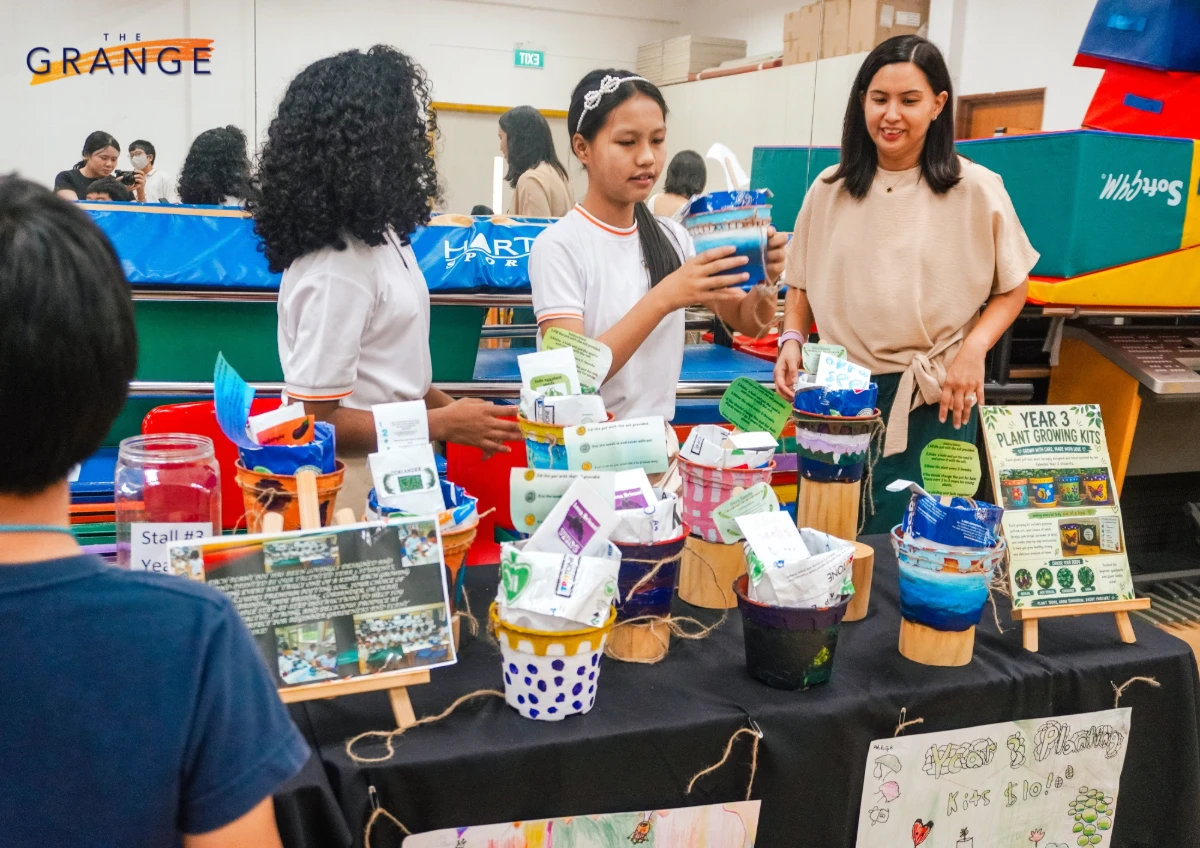
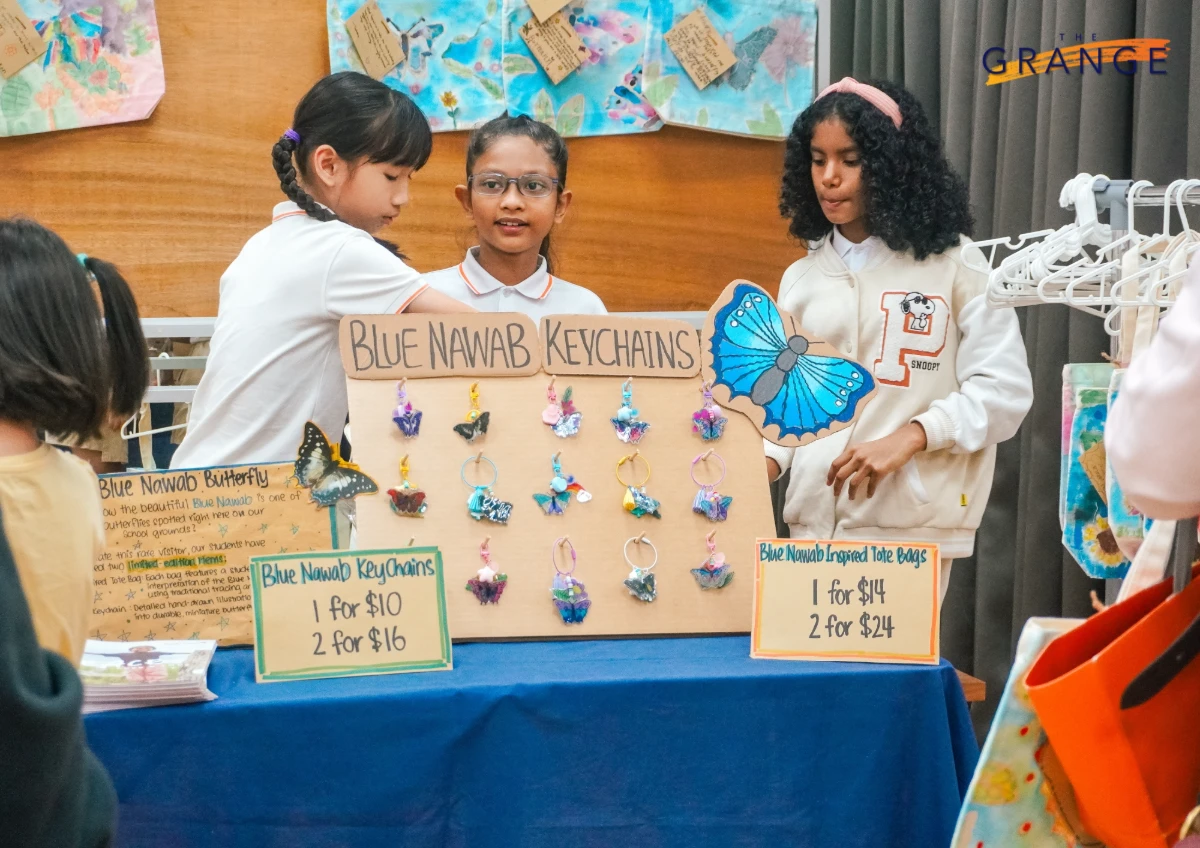
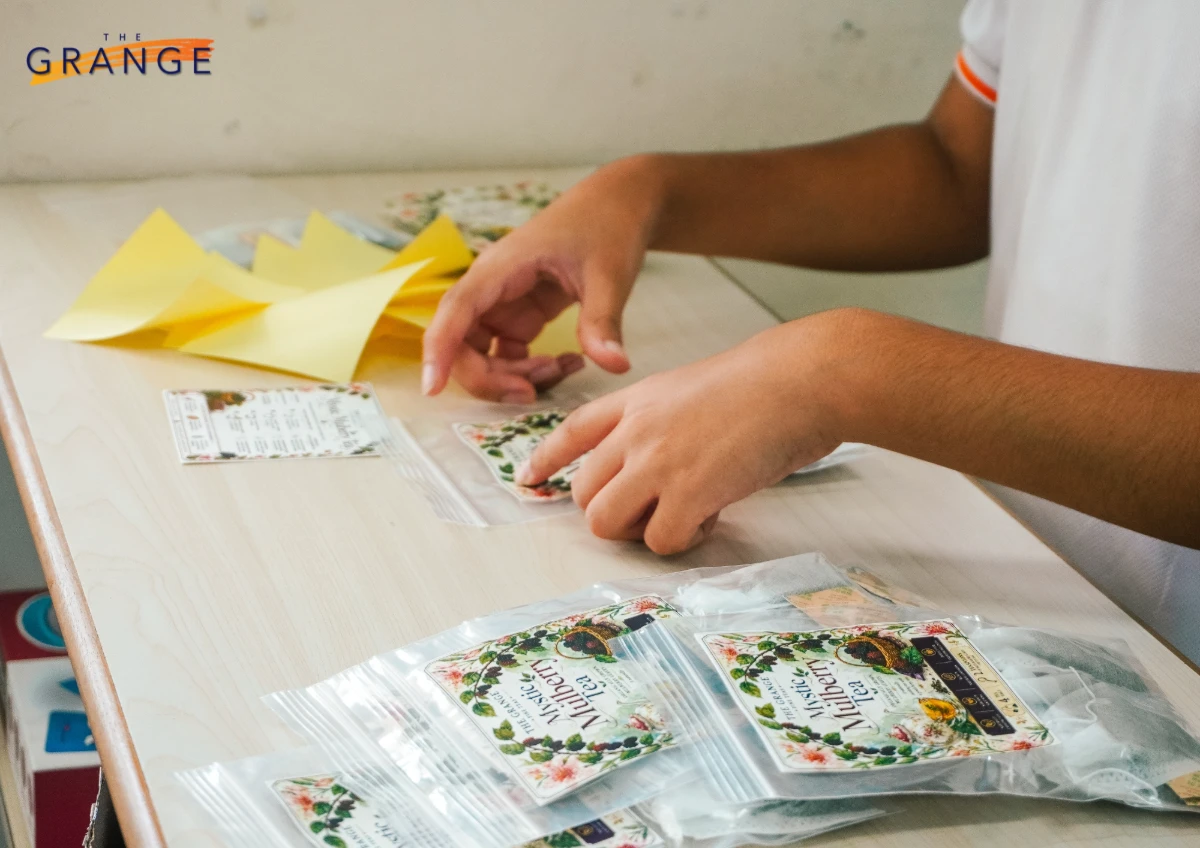
Families purchased coupons for fresh produce, harvested vegetables together, and explored student-designed sustainable products — complete with benefits and recipes. Funds collected from the Farm Market contributes to fundraising for at least 25 families in Timor-Leste through a collaborative effort with World Vision International.
Through this experience, students connect their learning with real-world impact, developing key life skills such as entrepreneurship and collaboration.
Preparing Life-Ready Individuals
The Agroforest Farm reflects The Grange Institution’s educational philosophy — learning with purpose, and equipping children with life-ready, practical skills. It reinforces our commitment to sustainability education, where learning goes beyond knowledge to meaningful action.
At its heart, it is about learning for life and leading change; empowering students to make a real difference in their world.