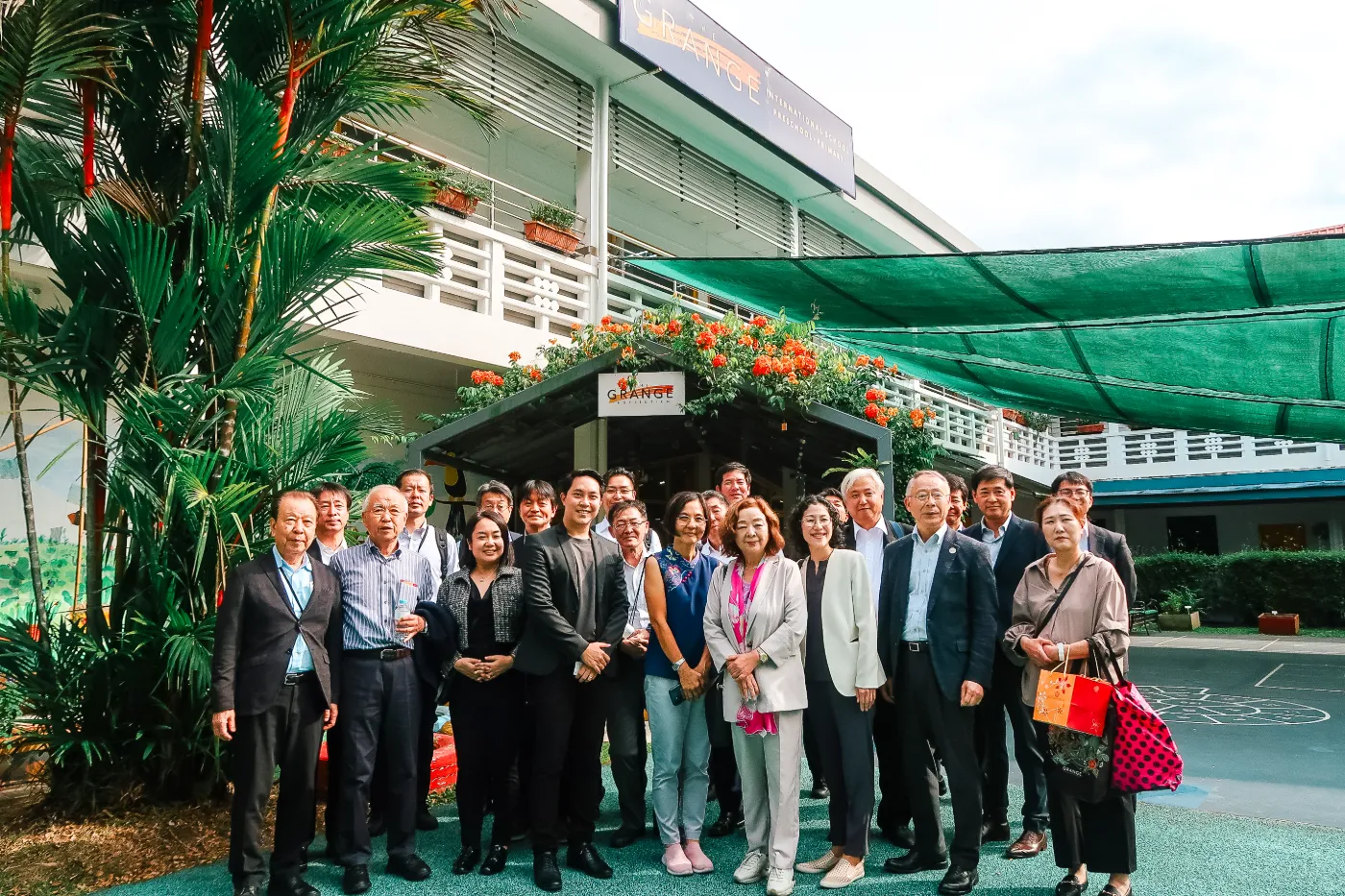
ASEAN–Japan education cooperation is deepening, as both regions respond to increasing global mobility and a growing population from diverse language backgrounds. Hiroshima, which is expanding its internationalisation agenda, visited Singapore to learn how leading schools support diverse student communities.
This visit to Singapore fits into this bigger conversation on raising standards in global education. It highlights how both regions can benefit from shared insights.
How International Schools Build Inclusive Cultures
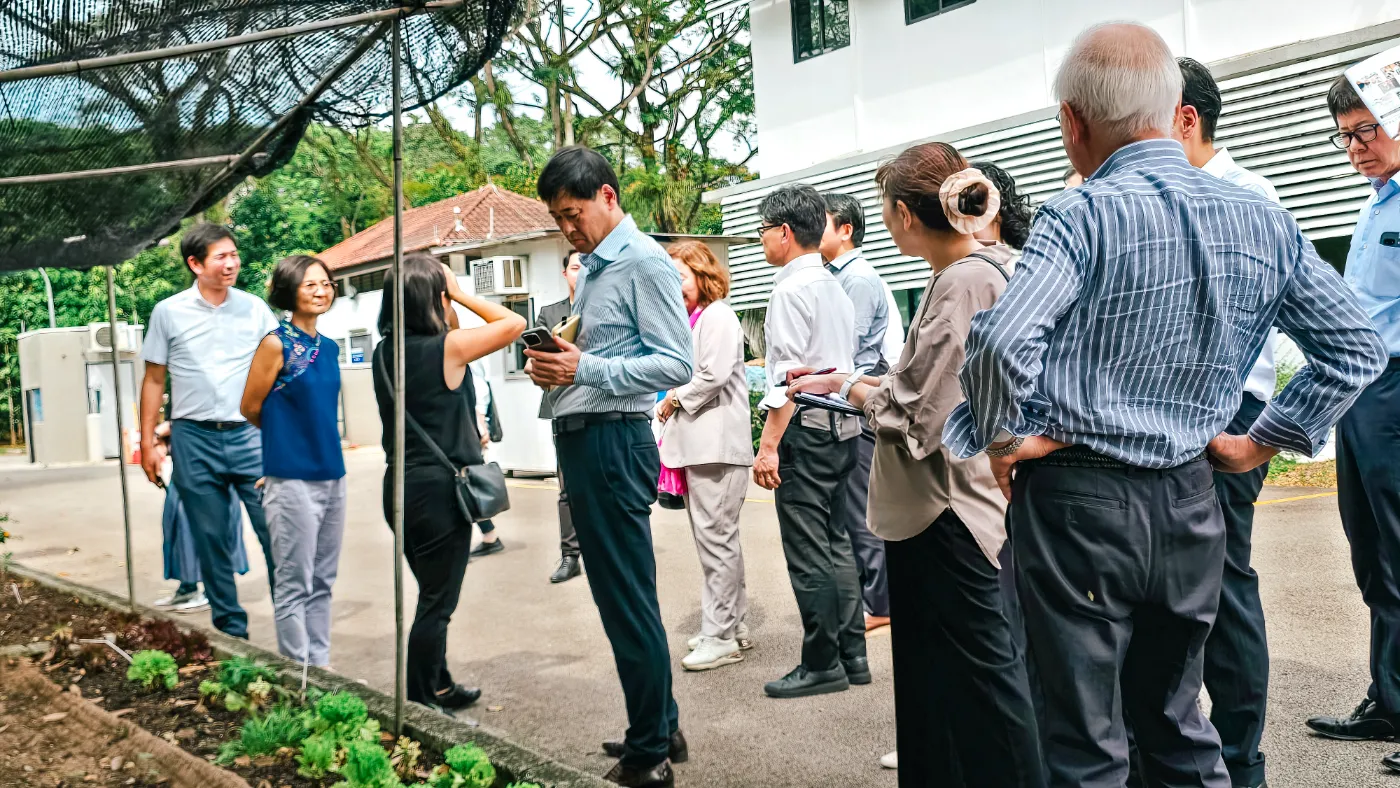
The visit by the Hiroshima ASEAN Association sought to understand how international schools create inclusive environments for students who arrive with different languages, abilities, and cultural backgrounds. Schools worldwide face similar challenges as families relocate more frequently, making strong integration systems essential.
The delegation wanted to study how Singapore’s schools meet these needs. They focused on practical strategies for helping non‑English‑speaking students thrive from day one.
The Grange Institution’s Approach to Diversity and Inclusion
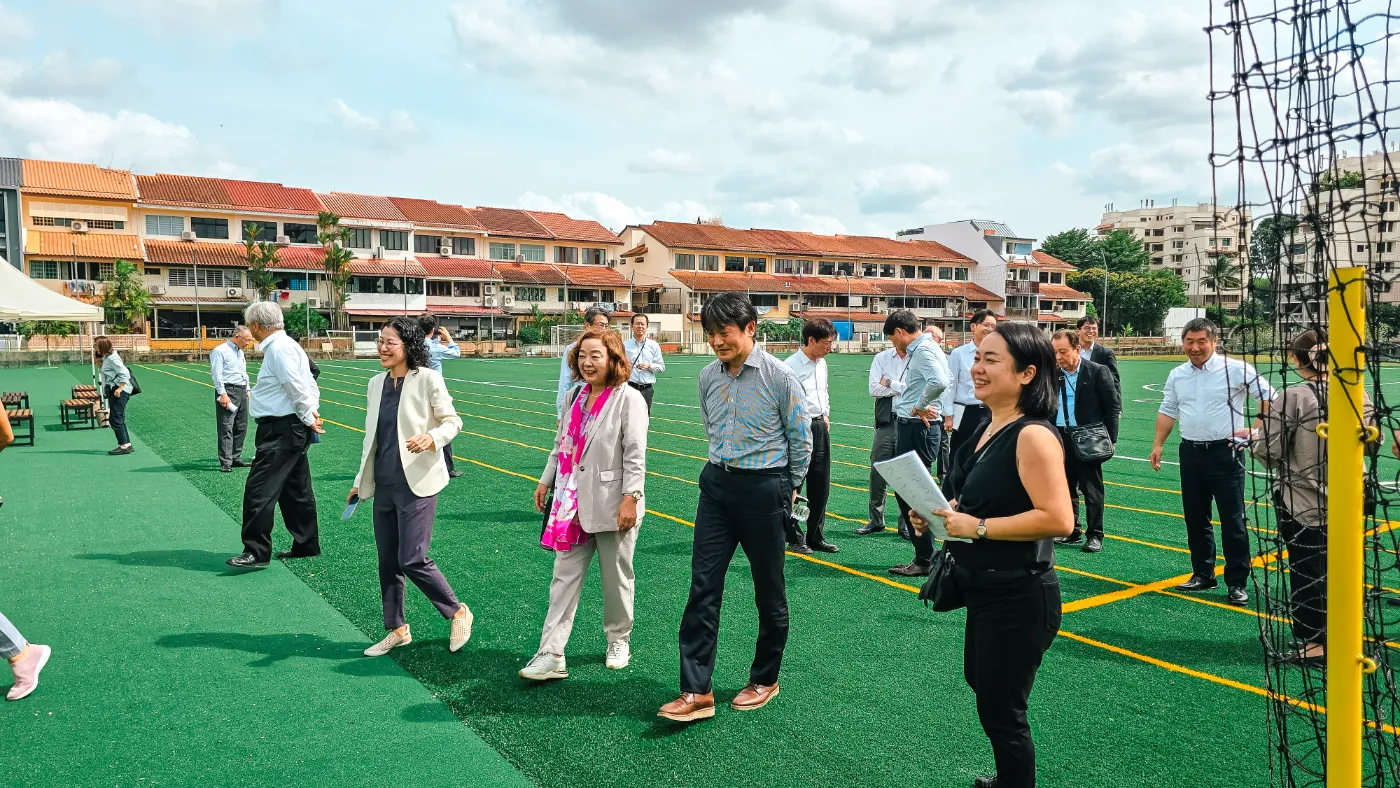
The Grange Institution was the only school in Singapore selected for the delegation’s visit. We welcomed 20 representatives and shared how inclusion is embedded in our daily school culture, not treated as a standalone programme.
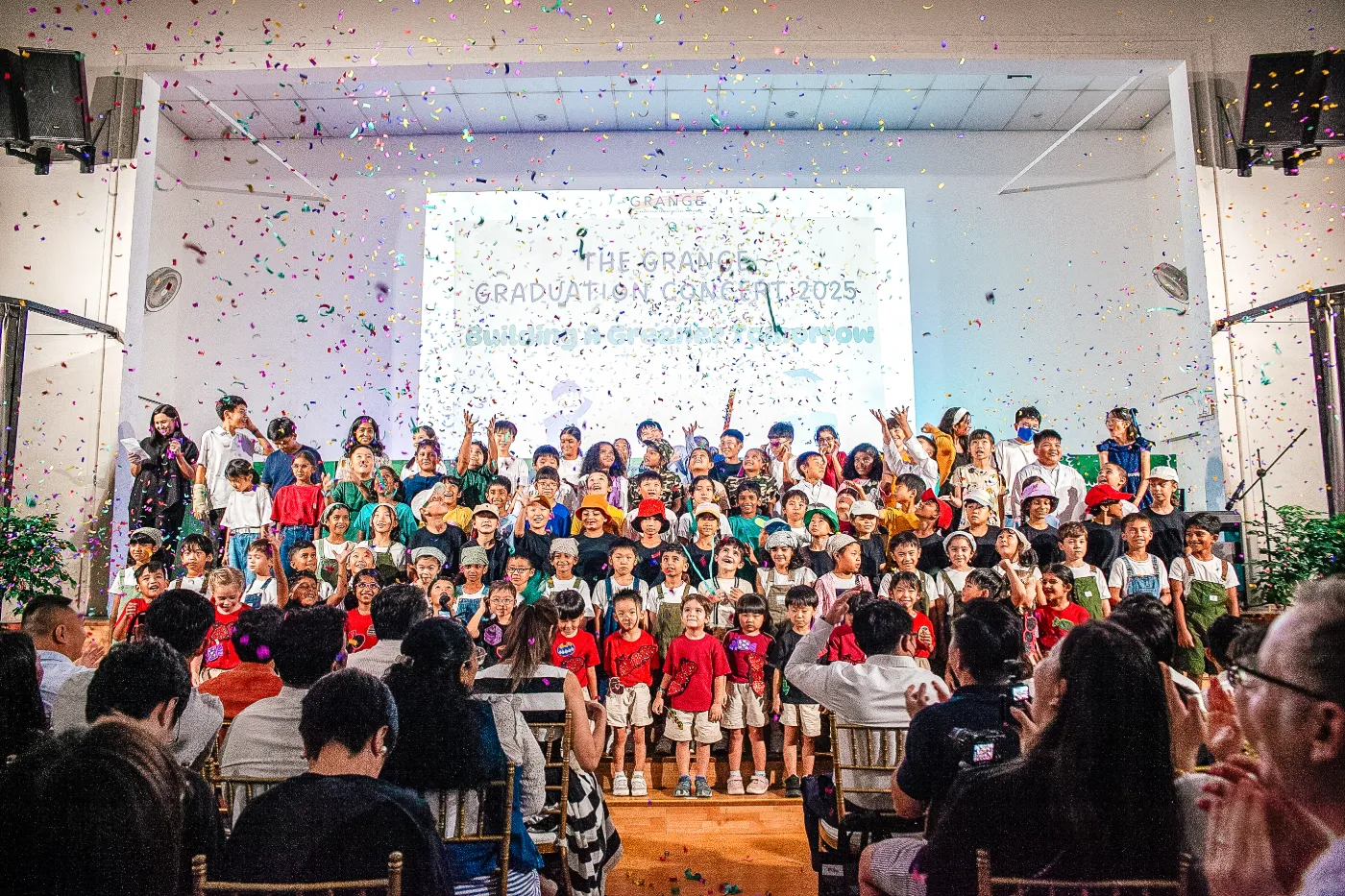
Cultural diversity is celebrated during festivals and school‑wide events such as United Nations Day, where the school community comes together to learn about one another’s traditions. Beyond formal programmes, the school weaves socialisation into daily routines during play and shared meal time.
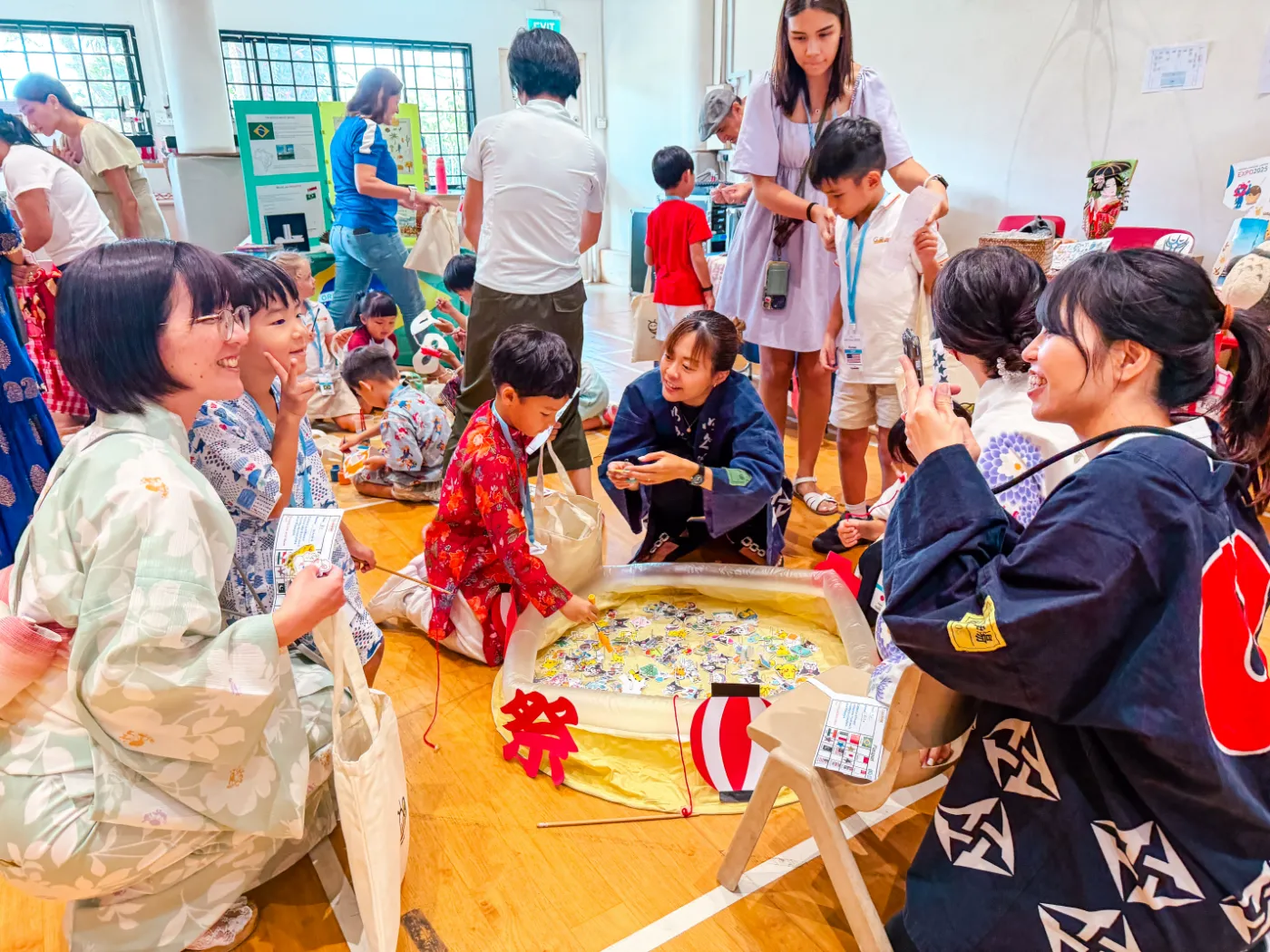
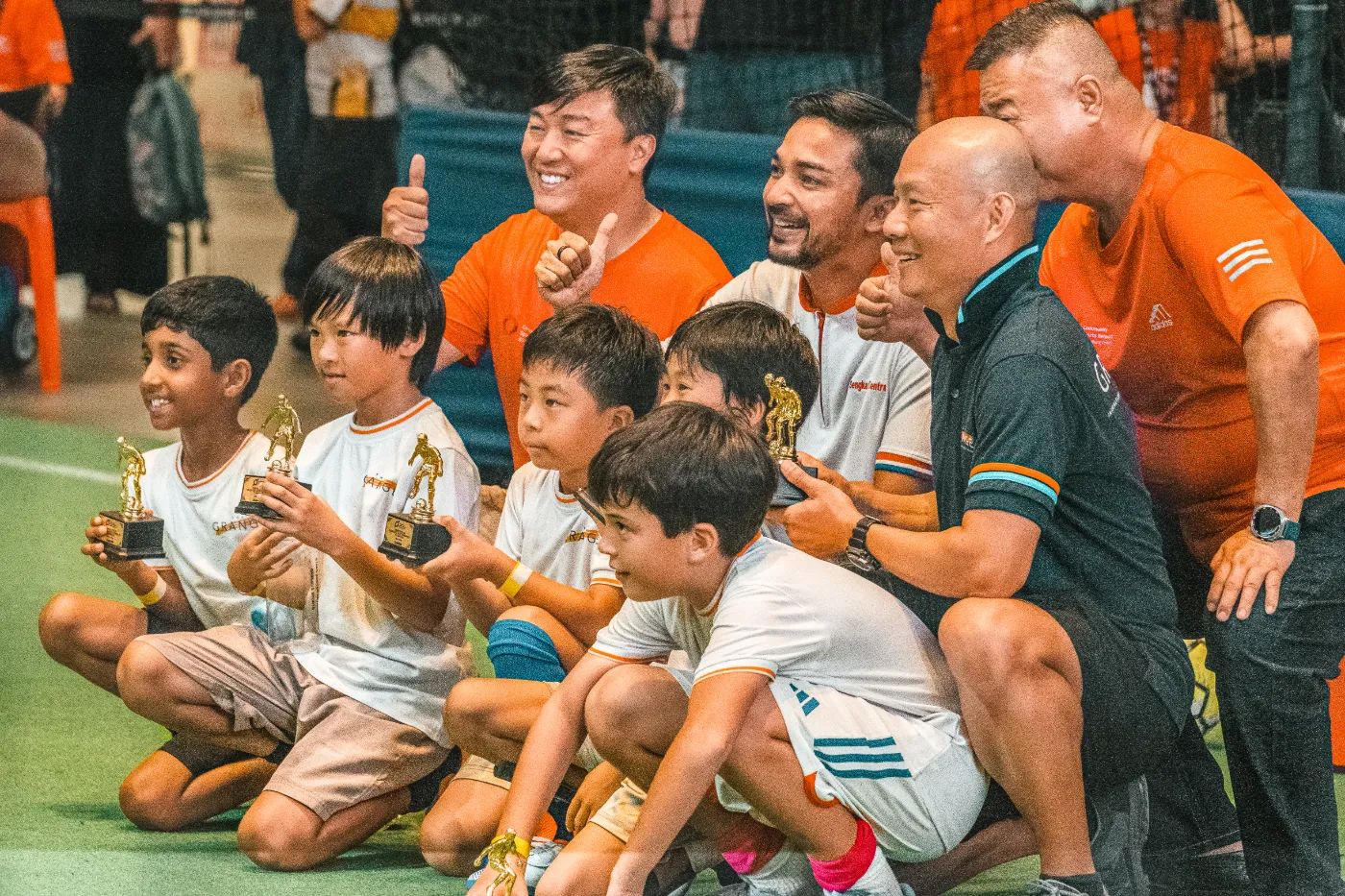
Common play spaces are important in supporting this interaction. These spaces help children interact naturally through football or open‑ended play. These daily experiences let children encounter diversity authentically. They also nurture acceptance and appreciation of one another.
Hosting students from 18 nationalities with a strong Japanese community, The Grange maintains a rich multicultural environment that strengthens cross‑cultural understanding.
Building Strong Language Foundations for Every Learner
English functions as the shared language on campus, helping new learners build confidence quickly. At the same time, foreign language options provide continued exposure to students’ diverse linguistic backgrounds. The Grange support learners through structured listening, speaking, reading, and writing programmes.
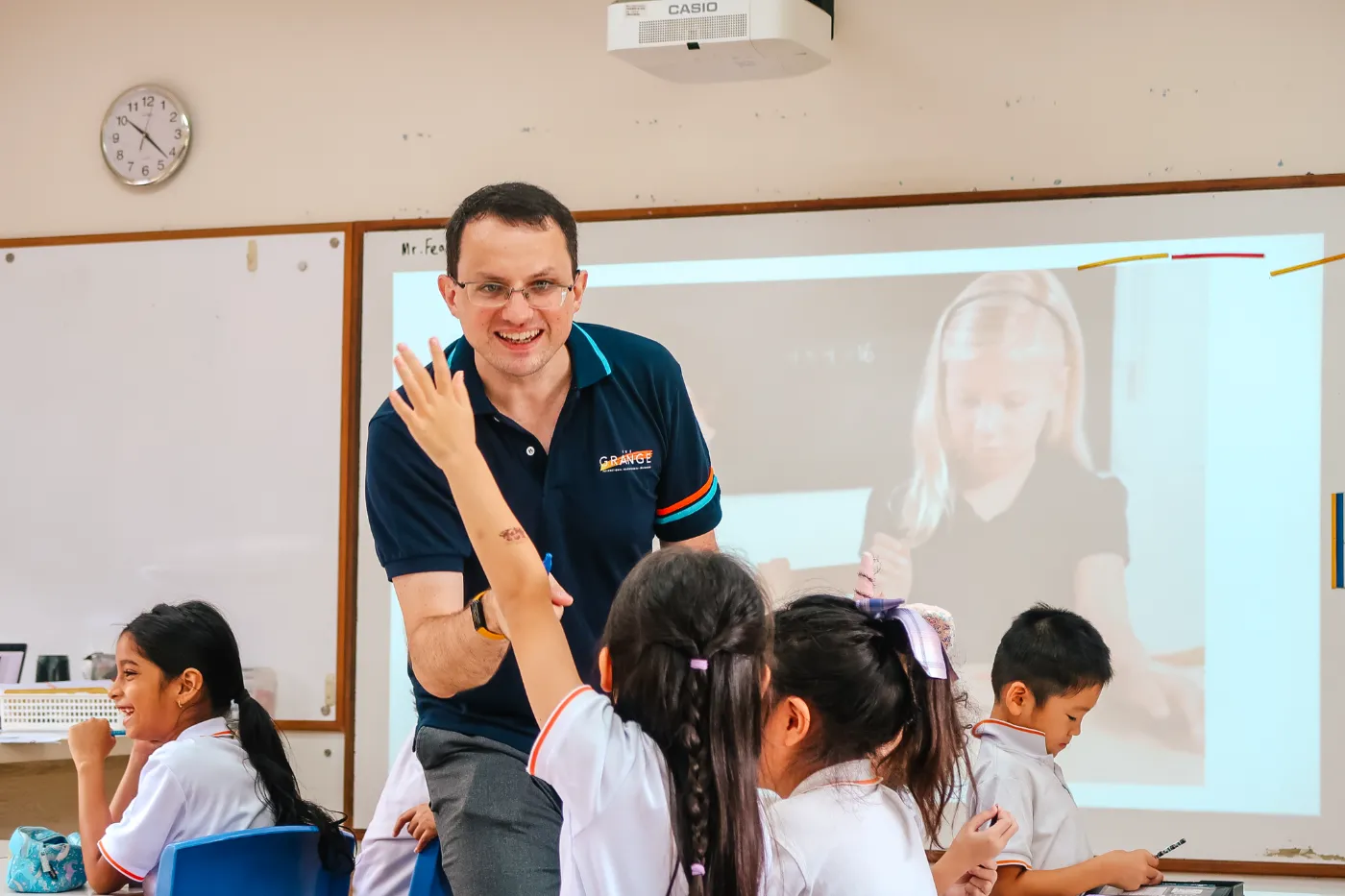
Language learning follows the Cambridge International Curriculum, supported by structured programmes that develop both foundational skills and global awareness.
Education as a Tool for Cultural Diplomacy
The visit also highlighted education’s role in diplomacy. Schools can act as bridges between nations. They create spaces where communities exchange ideas and values. The delegation viewed Singapore’s model as a pathway for stronger ASEAN–Japan cooperation. They saw how simple school practices foster understanding between cultures.
Insights from our boutique school may influence Hiroshima’s internationalisation plans. They show how inclusive school ecosystems support wider social goals.
A Shared Commitment to Future-Ready Education
The Hiroshima delegation’s visit signals a growing willingness to collaborate. Both regions recognise that education must adapt to global movement and cater to people from diverse linguistic backgrounds.
Mutual learning can shape stronger international school communities across Asia. When schools share insights, they enrich outcomes for students. This approach builds the future‑ready learners the region needs.